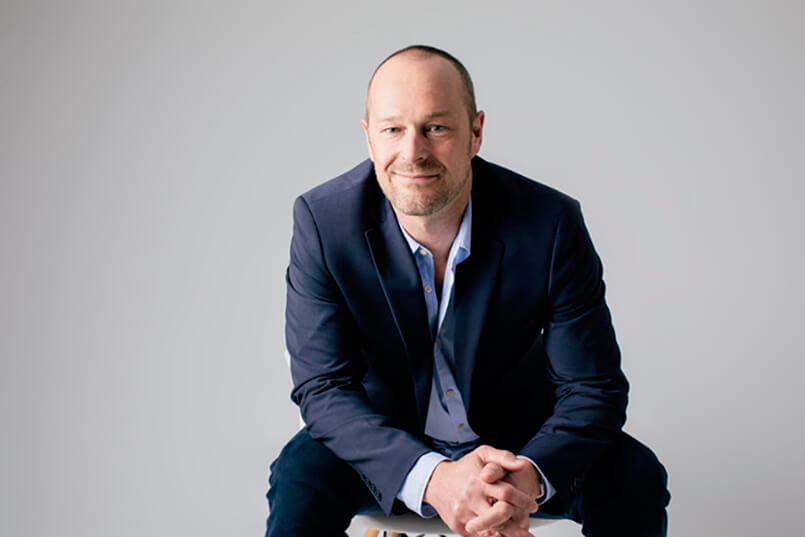
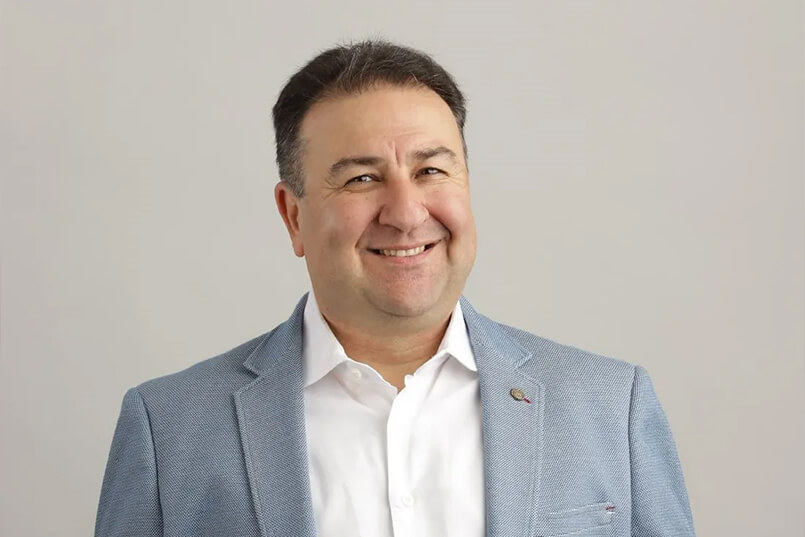
Abe Kasbo is the founder and CEO of Verasoni, an independent marketing communications advisory firm based in New Jersey. Abe discusses why he published his latest book, Irresponsibly Digital.
He challenges mid-market leaders to confront the unchecked excesses and missed opportunities of today’s digital-first landscape.
Abe discusses the importance of accountability, understanding customer behaviour, and the need for courage in marketing strategies. He emphasises the significance of storytelling in marketing, the pitfalls of social media engagement, and the resurgence of traditional media.
From Pet Rocks to Trump; OpenAI to Amazon. Abe and Anton explore the clickocracy, examining the challenges and opportunities facing marketers today.
You can listen to the podcast here:
Follow Managing Marketing on Soundcloud, Podbean, TuneIn, Stitcher, Spotify, Apple Podcast and Amazon Podcasts.
“Oh, man, I have to tell you, Anton, I can’t even imagine having that conversation. I mean, I don’t even know how we did it and walked out without having a palm of patience. I mean, it’s unbelievable”.
Transcription (Edited):
Anton Buchner:
Hi, I’m Anton Buchner, Business Director at Trinity P3 Marketing Management Consultancy. Welcome to Managing Marketing. Today, I’m talking with Abe Kasbo, the founder and CEO of Verasoni, an independent marketing, communications, and public relations advisory firm based in New Jersey. Abe is a seasoned marketing leader and the author of a really interesting book called “Irresponsibly Digital.” The book is a provocative critique of modern marketing, challenging businesses to confront the unchecked excesses and missed opportunities of today’s digital-first landscape. Welcome, Abe.
Abe Kasbo:
Anton, it’s great to be here, and I’m looking forward to this conversation.
The Fragmented Communications Landscape
Anton Buchner:
Give us a quick snapshot of where Verasoni plays in the marketing sphere.
Abe Kasbo:
We’re an integrated firm. I started the firm in 2005, a year before Facebook was born. Even then, I recognized that with social media, the internet, and digital, the communications landscape was going to be fragmented. I thought early on that it was going to be less efficient, not more efficient. You can see what’s happening to investment in marketing communication and our social structure because of all this change. At Verasoni, we help clients navigate that terrain and make sense of what we do on the digital side versus the traditional side, moving them toward their goal, whether it’s building brand equity or selling their products.
Anton Buchner:
The actual goal is often confusing. There’s a lot of talk globally about the role of branding being forgotten when the focus is just on social and performance marketing activities at the bottom of the funnel. Ultimately, we have to sell, right? A business is no good without products being sold.
Abe Kasbo:
That’s right. In my experience, products are sold if they have value, or even if they have a good story. I often talk about the Pet Rock phenomenon—people bought that not because of the rock, but because they were buying the story. I try to talk to our clients about this because, with all the digital stuff, there’s a lot of short-termism, especially in the public markets looking quarter-to-quarter. That’s not necessarily good. We see the turnover in our industry is very high; expecting a CMO to take the helm and make a massive impact in about two years is insane. My book peels back these layers and provides a safe space to discuss these issues publicly.
The Digital Drug: Cost and Accountability
Anton Buchner:
Let’s talk about your book title, “Irresponsibly Digital”. What was the moment or idea that made you choose that name?
Abe Kasbo:
It was the excesses and the waste we see with our own clients, and to me, that’s irresponsible. Most of the spending that goes into a black hole happens to be on the digital side. I was driving home one night, and it just clicked.
Anton Buchner:
What do you think is at the core of this “digital drug”? It was initially seen as free, but that’s a misnomer. Now with AI, it’s seen as quick and cheap, but again, not always true.
Abe Kasbo:
I was asked a similar question in 2007, when Facebook was only a year old. The host said, “People can now do this for free.” I asked him, “Is it really free?” If I’m selling pizza, I have to take my time or pay someone to create content and post it. That’s not free. Furthermore, how do I know I’m good at this?
Social media, even on the organic side, has always been an extraordinary tax on business. If you’re a Fortune 500 company, you need an internal team and an agency, but what are you really getting? The numbers are stark. The interaction rate on a Facebook post is often 0.3%. If you have 1,000 relevant people—not bots—that’s less than half a person interacting. What are we doing?
Anton Buchner:
And that assumes people are even seeing it in their feed. It’s absurd, but Facebook keeps getting richer. Facebook tells us they purge a billion fake accounts a quarter, but at the same time, Mark Zuckerberg said they would create AI avatars to be friends with users, as research suggests people need 15 friends. It doesn’t make sense.
Abe Kasbo:
It’s tough because there’s no accountability. It’s a money pit, and the interaction on the customer service side is difficult. Marketers really need to take a humility pill. We need to be more humble about this.
Remember the CMO of Uber who lost $100 million of a $150 million budget? When the board asked him how he lost it, he honestly said, “I don’t know.” If the folks at Uber have these issues, what do you think the average agency or marketer knows? We need to ask harder questions.
Anton Buchner:
It’s a safety net to say you drove traffic or achieved a certain amount of engagement. I worked with a firm whose media agency was remunerated solely on leads—they had no idea how many converted. That agency should be fired, and the accountability curve needs to be reexamined. I think this reflects a myopic, siloed view of digital channels, much like the medical system focusing on one organ without looking holistically at the patient’s lifestyle.
Abe Kasbo:
I look at marketing as a business tool first. If you don’t understand the business or if you aren’t willing to take losses, you’re just hiding behind vanity data like likes. There’s a generational gap where leadership is impressed by digital metrics without seeing the underlying waste. The pressure for short-term performance marketing results is immense.
Reclaiming Responsibility: Customer-First Strategy
Anton Buchner:
How do you do digital well? What are some things people should be thinking of?
Abe Kasbo:
You start with behavior. You break down that behavior and think about it like managing a mutual fund: where do I invest the most important money for the ROI? Sometimes that is in channels like events, or sometimes it’s direct mail. I don’t know the answer upfront, but if you start by asking: “Where are my customers and what are their behaviors truly like?” then you can back into the right channels.
You must invest in those channels over time. None of this, “we tried it for three months and it didn’t work.” You need patience. We also tend to forget about macro events, like supply chain issues, which impact customer experience. For example, if there are delays in building a house, the customer experience gets disjointed.
Anton Buchner:
I like your point about thinking of the customer more. Maybe it’s less about the digital channel and more about picking up the phone to say, “I’m really sorry.” What’s your view on B2B marketing?
Abe Kasbo:
I think B2B clients get completely shafted because they fall in love with the bells and whistles and don’t understand the downside of not doing it well. We had a B2B client who only wanted LinkedIn. I said, “Before we do anything, let’s go through a digital transformation and move everything to a digital platform.”
After we had a digital platform, we decided against LinkedIn and went with a different strategy. We used webinars and content to gather emails, focusing on the fact that there is 20 times more return on an email than anything you could do on social media. Four years ago, they had 3,000 verifiable emails; as of last month, they had 114,000. That company has grown exponentially. It took two years, they were patient, and we made mistakes, but we kept learning.
Anton Buchner:
The big insight is being customer-centric rather than digital-first. That makes sense but is often missed.
Abe Kasbo:
You need to be courageous. I tell clients that I don’t believe my own bullshit upfront. Sometimes I will be wrong, but I tell the client that, and if you deliver over time, the client will allow you to make some mistakes because you are working in the best interest of their business. We need to be brutally honest and pragmatic. I’m not interested in being right; I’m interested in getting it right.
Navigating the AI Era
Anton Buchner:
We are now seeing digital companies, like Open AI, use traditional media like TV for brand campaigns, getting back to some logic. What are your thoughts on this?
Abe Kasbo:
I think every company needs to box out Open AI. If I’ve got my stuff on the web, they’ll scrape it—my image, my voice—and the law allows them to do that. I think it’s wrong, and we need to be compensated.
I recommend that clients create their own walled garden of GPT or LLM, especially those with proprietary information or digital services that can be easily scraped. It’s a crime to me that that stuff’s happening.
Anton Buchner:
The pragmatism is key: What’s your benchmark? What is your current practice achieving? You’re not saying not to use digital, you’re saying let’s go back to responsible thinking and strategy.
Abe Kasbo:
Exactly. You’re not going to be in business without using digital strategies, but there are excesses and waste. You have to ask better questions and not look at the vanity stuff. For example, if you’re getting 3,000 visits from a non-relevant location at 3:00 AM, you shouldn’t count those.
Anton Buchner:
What’s another good question people should be asking their agencies or teams?
Abe Kasbo:
I once had a client ask me: “What am I not asking you?” That’s a great question because it opens up the conversation to what is truly important.
Anton Buchner:
Abe, I’ve really enjoyed having this chat with you. Thank you for sharing your insights.
Abe Kasbo:
It’s been a pleasure. Thank you so much for having me on.