

The End of the Cost-Cutting Era: Why Your Savings Mandate is Creating Massive Marketing Waste
A New Strategic Blueprint for Marketing Procurement: How to Pivot from Price Taker to Value Architect The marketing procurement function ...

Rethinking Commercial Conflicts of Interest in Agency Selection
Rigid, often instinctive rules have long governed the process of selecting an advertising agency, chief among them being the strict ...

Managing Marketing: The Technology Future of Agency Pitches
Michael Moszynski, the CEO of London Advertising and the recently appointed Chair of WONA Digital, talks about the evolving landscape ...

Managing Marketing: The Transformation Of Marketing Procurement
David Little is a Marketing Procurement specialist with almost two decades of experience. With a Bachelor of Mechanical Engineering from ...

Why marketing is the source of optimism in business
If there is a centre of optimism in any business, there is a strong argument for why this is marketing ...

Why working / non-working ratios no longer work for advertising or marketing
This is the ninth in a series of one-minute videos that address one of the many complex challenges facing marketing, ...
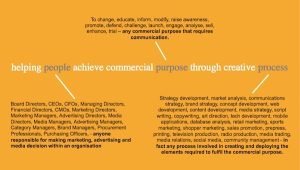
The importance of PURPOSE, PEOPLE and PROCESS in improving marketing PERFORMANCE
The P3 in TrinityP3 has always stood for People, Purpose and Process. Helping people achieve commercial purpose through the creative ...