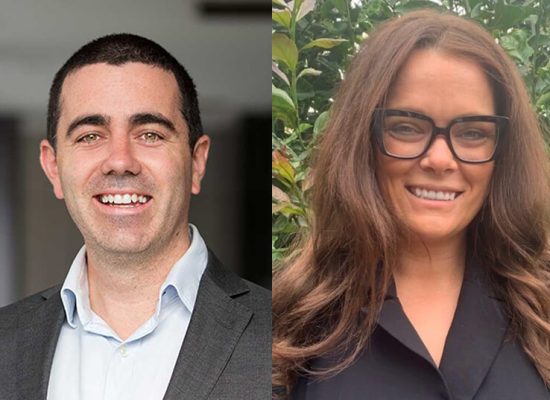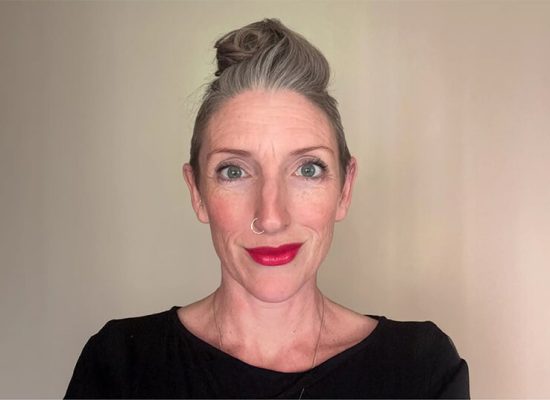
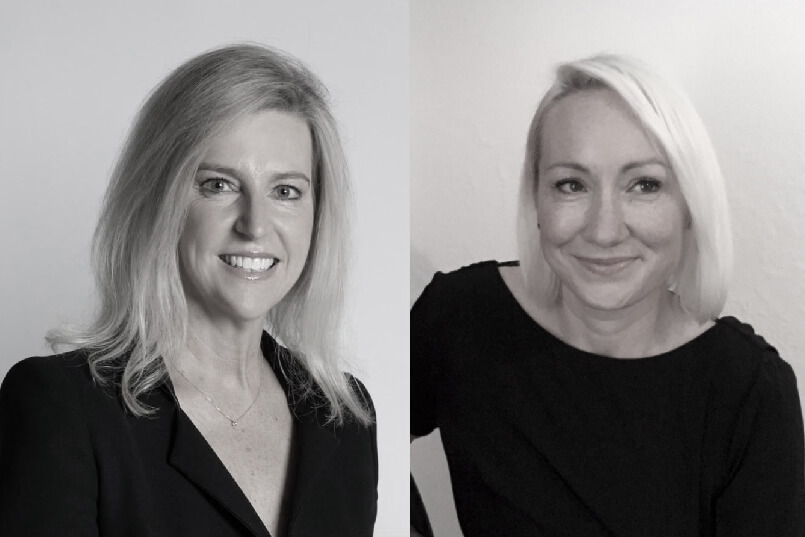
Lydia Feely, General Manager and Kylie Ridler-Dutton, Senior Global Agency Consultant discuss the complexities and challenges faced by marketers in 2025, including the rise of AI, budget constraints, and the evolving role of procurement.
The past year has been a roller coaster ride with holding company consolidations, the continued growth of the independent agencies, principal based media trading, the continued dominance of the social media and technology platforms, the transformational impact of artificial intelligence and more.
Lydia and Kylie explore the impact of the creator economy and the importance of effective agency collaboration, as well as strategies for navigating the changing landscape in the year ahead.
You can listen to the podcast here:
Follow Managing Marketing on Soundcloud, Podbean, TuneIn, Stitcher, Spotify, Apple Podcast and Amazon Podcasts.
I think you could be out having coffees every day of the year and still not touch or meet every agency that’s popped up in the last few years.
Transcription (Edited):
Darren Woolley:
Hi, I’m Darren Woolley, founder and CEO of Trinity P3 Marketing Management Consultancy, and welcome to Managing Marketing, a weekly podcast where we discuss the issues and opportunities facing marketing, media, and advertising with industry thought leaders and practitioners. If you’re enjoying the Managing Marketing podcast, please like, review, or share this episode to help spread the wisdom from our guests each week.
The past year has been a rollercoaster ride with holding company consolidations, the continued growth of independent agencies, principle-based media trading, the continued dominance of social media and technology platforms, and the transformational impact of artificial intelligence and more. To make sense of that year and to look forward to the year ahead, please welcome to the Managing Marketing Podcast, the General Manager of Trinity P3, Lydia Feely, and the Senior Global Agency Consultant, Kylie Ridler-Dutton. Hi, Lydia. Welcome, Kylie.
Lydia Feely:
Hi Darren, great to be here.
Kylie Ridler-Dutton:
Hello and happy new year.
Darren Woolley:
It’s been a wild ride, hasn’t it? Surviving 2025 or even maybe even thriving a little has been a positive achievement. What a complex market it was in 2025. A lot of positives, a lot of negatives.
Kylie Ridler-Dutton:
I think you’ve hit the nail on the head. Some of the key themes we saw were things like AI and how that blew up. There was so much disruption in the agency media landscape. For marketers, we saw how they had to evolve their direction and their marketing strategy into a very budget-tight, solution-based outcome.
Darren Woolley:
Budgets have always been tight, but I think you’re right; there was a real sense of tightening happening during that year. Lydia, what did you see as the big issues for 2025?
Lydia Feely:
The big issues for me personally were, as you said, it started off quite strong. I was running pitches for big brands earlier in the year, like Lottery Corp, Colourbond, and Vodafone, and we had the rise of social-only pitches. But the big issues towards the end of 2025 were all the changes taking their toll, or people were just preparing for how they would deal with that. In the first half, it was business as usual, but now that we’ve wrapped up 2025 and are heading into 2026, how people deal with those issues is becoming a priority for all marketers.
Agency Market Complexity and In-Housing
Darren Woolley:
When people are overwhelmed by the amount of complexity, they’re inclined not to rush into it. We saw a lot of marketers observing what was going on and trying to work through what the big issues are and what they should be doing about them. Kylie, you would have seen that with the complexity in the agency world. There have been huge changes.
Kylie Ridler-Dutton:
Yes. Marketers are really knuckling down to look at how they can be more agile, more collaborative, and utilize more data-driven decision-making. On top of that, they have to build AI-powered insights into their marketing strategy. The existing agency villages aren’t always what they require to future-proof the business. On the agency side, there’s been massive movement in the market with big networks shifting, buyouts, and changes domino-effecting from Europe and America to Australia.
Darren Woolley:
And we’ve also had the influx of specialty agencies popping up.
Kylie Ridler-Dutton:
Yes. It used to be that the trend was full service, but now we’re seeing an influx of specialty agencies. It’s a full-time job for consultants to keep on top of these changes, and even more so a challenge for busy marketers. There hasn’t been a lot of movement last year; there’s been a lot of planning. A lot of smart marketers are getting ahead of the game, and I think this year will bring action and activation on those plans and strategies.
Darren Woolley:
It must be difficult for a marketer to get a sense of what’s available. We have the Indies popping up with very specialist offerings, and on the other side, massive consolidation with holding companies calling themselves “solution platforms”.
Kylie Ridler-Dutton:
And because of budget constraints, clients are delving deeper into how they spend their money with agency partners, which includes in-housing. We’ve been working with clients on setting up their in-house ecosystem and how that works with outsourced talent. Having specialty agencies that can slot in and collaborate with client teams has been helpful.
Darren Woolley:
It’s interesting because it’s almost always a combination of the two: some in-house and some outsourced. Lydia, are some marketers feeling overwhelmed? There was definite fatigue happening towards the end of last year.
Lydia Feely:
Yes, definitely. All these changes at once: AI, how audiences consume media, and the rise of the creator economy. It was so big for marketers, but they are now taking stock and planning early 2026 and beyond. They are looking at transformation with the hybrid of in-house and agencies. Effectiveness is a big focus, and how it’s measured is changing with these opportunities. They are excited about what they can do, but to get there means significant change, not just a tweak.
The Creator Economy and Effectiveness
Darren Woolley:
You mentioned the creator economy. Social media has become more of the main course. The creator economy across platforms like Instagram and TikTok, and now Reddit, is really big. Marketers are having to embrace giving up some of the control they are used to with agencies and engage with content creators.
Lydia Feely:
Exactly. Social and creative marketing can create brand advocacy and engagement at speed and scale quite quickly, which is pretty amazing. Social media is not just one of the channels; it’s almost in its own category now, because of its power.
Darren Woolley:
Kylie, navigating this landscape must be a challenge. What advice would you give to marketers looking to understand what’s available to them in 2026?
Kylie Ridler-Dutton:
It’s all about getting the brief and understanding what you need internally before looking for agency partners. Look at driving sustainable outcomes and future-proofing the business, not just short-term fixes. You need to spend time getting ahead of the game, understanding the changes in brands and specialties. Each market is very different too; for example, a brief last year involving the GCC area and Southeast Asia had very different consumer requirements.
Darren Woolley:
It’s interesting because a lot of marketers rely on word of mouth or what their colleagues recommend. We found when developing the AI search for our agency register that the internet is not a great source of information about agencies; it’s full of opinions and PR pieces, not the commercial or expertise information you need.
Kylie Ridler-Dutton:
I agree. Agencies are usually the worst at their own PR. Especially in other regions, I find it incredibly difficult to get a rich source of data, a true sense of their capabilities, and sometimes even a working contact.
Darren Woolley:
Lydia, marketing effectiveness has become a big issue. We’ve seen a lot of discussions around tools like Marketing Mix Modeling (MMM), particularly due to budget pressure to prove a return on expenditure.
Lydia Feely:
It’s very interesting. New tools like MMM are just where it begins. Marketers have learned that if they had their time again, they would implement MMM as a whole integrated project so the entire business understands the tool and what it means. Effectiveness means it will cover and touch all parts of the business—not just marketing spend, but also pricing, distribution, customer experience, or the actual product.
Darren Woolley:
I think we’re seeing a realization that marketing is only primarily one of the four P’s for a lot of organizations, but they should have influence across product, distribution, and pricing. The results come from getting coordination across all those areas. Hopefully, in 2026, we’ll see organisations embrace marketing as an overall strategy, particularly customer experience.
Procurement and The Way Forward for 2026
Darren Woolley:
Kylie, you mentioned the rise of procurement last year. What should procurement be looking at in 2026 to become more of a value driver?
Kylie Ridler-Dutton:
I think they have to start fostering stronger connections with their agency village to really understand what they do. They need to look at what capabilities their existing roster already has and what can be utilized, leveraging the IP and knowledge of long-term agency partners. Procurement should focus on ensuring they’re getting the best value out of the partners.
Darren Woolley:
Understanding value is another topic entirely.
Kylie Ridler-Dutton:
It’s not just about looking at a rate card anymore. It’s about understanding the level of expertise and looking at value-based remuneration models when running a pitch. There’s an opportunity for marketing teams to get procurement involved earlier on, sharing the brief and objectives. If you can look at the value that partner can bring and demonstrate it in a way that makes sense to procurement, there’s a gain for both parties.
Lydia Feely:
I had a good example with a big alcohol client where procurement was involved in our ongoing client-agency relationship survey. They watched how the survey works and how we manage the agencies, and they were able to see the depth of involvement and the value the agencies provided.
Darren Woolley:
It’s dangerous for procurement to be only incentivized on cost reductions. The tighter the relationship between marketers and agencies is, the better the work.
Lydia Feely:
In the relationship surveys, I’ve seen trends toward more social, where a specialist social agency is added to the ecosystem and works well with the other agencies, easing the burden on those with existing social capabilities.
Darren Woolley:
2026 is an opportunity for marketers to use platforms that streamline feedback loops, especially for big teams. Being able to get instant feedback at the end of every major activity, not months later, is incredibly useful.
Darren Woolley:
Kylie, what are the things you’ll be looking for, and what should marketers be thinking about in 2026?
Kylie Ridler-Dutton:
I think marketers should not be afraid to start having conversations so we can look at solutions. The dust is starting to settle with the agency landscape, so we can start moving forward to assess if they have the right fit or village model.
Darren Woolley:
Marketers should look at all their marketing requirements holistically to see if their current setup is the best solution.
Lydia Feely:
I would advise marketers to just start. You can start in key components and then build on that. They should talk to us because we are tapped into the markets here in Australia, as well as the UK and US markets, to see what’s playing out elsewhere.
Darren Woolley:
I think that doing small things and a succession of small things toward a strategy is better than doing nothing at all. Let’s hope 2026 sees more marketers taking that approach.
Kylie Ridler-Dutton:
I’m excited. I think we already have some exciting problems to solve.
Darren Woolley:
Well, look, we have run out of time, but Lydia Feely, thank you for your time, and Kylie Ridler-Dutton, thank you for joining me today on Managing Marketing.