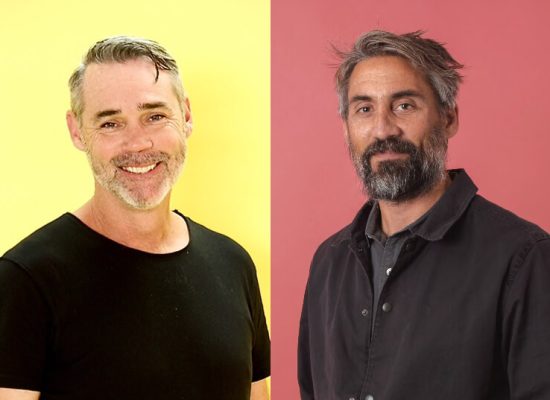

Amanda Connors, a seasoned marketer with a diverse career spanning retail, banking, and wellness. Amanda discusses the challenges and transformations in marketing, the importance of resilience, and the strategies she has employed to build successful brands.
From her early days at Myer to her impactful role at Priceline and beyond, Amanda shares insights on customer obsession, community building, and the evolution of marketing in a rapidly changing landscape.
Amanda has not just embraced the challenges of these categories, businesses and marketing, she appears to relish them. From retail, to banking, to wellness and beauty, she has not just survived, she continues to thrive.
You can listen to the podcast here:
Follow Managing Marketing on Soundcloud, Podbean, TuneIn, Stitcher, Spotify, Apple Podcast and Amazon Podcasts.
In banking, normally you want the customers to love you more, you know to create a love mark, I was going in to make them hate you less.
Transcription (Edited):
Darren Woolley:
Hi, I’m Darren Woolley, founder and CEO of Trinity P3 Marketing Management Consultancy, and welcome to Managing Marketing, a weekly podcast where we discuss the issues and opportunities facing marketing, media, and advertising with industry thought leaders and practitioners. If you’re enjoying the Managing Marketing podcast, please like, review, or share this episode to help spread the words and wisdom from our guests each week.
Resilience is a term that gets bandied around in a world of increasing complexity and demand, which is particularly relevant if you’ve built a career in marketing. Marketing leaders will often find themselves following career paths where they move from category to category: consumer packaged goods one day, retail the next, and insurance after that. But they’ll also move from organisations where marketing is seen as a strategic business partner right through to the “colouring-in department” in the corner, and everything in between. Overlay that with the ability of marketing to somehow invent the next hot thing, promoted with huge dollops of FOMO, and you have a career that is challenging at best and exhausting and even crushing at its worst.
My guest today continues to not just embrace this challenge; she appears to relish it. From retail to banking to wellness and beauty, she has not just survived, she’s thrived. Please welcome to the Managing Marketing Podcast, my long-term friend and marketer extraordinaire, Amanda Connors. Welcome, Amanda.
Amanda Connors:
Thank you, Darren. Great to join you today.
The Foundations of Marketing at Myer
Darren Woolley:
This is a conversation that’s a long time coming because we have known each other for probably more years than either of us will admit. But it’s been fascinating watching as your career has progressed through all of the different iterations and different categories and having conversations along the way that I think need to be shared. So let’s start at the beginning. What was it that attracted you to marketing, and how did you actually get into marketing?
Amanda Connors:
Well, my first big gig was at Myer, and I was attracted because I loved fashion at that time. I thought, “You know, I want to work in fashion.” That was way back in my early 20s and it was interesting. I was studying marketing at the time. But what I really found was that I was so fortunate to work in retail at that point in time because Myer was such an amazing training ground. I mean, in my early 20s, just the scale, the execution, and the commercial discipline that I learned back then was something that really put me in a brilliant position.
And I think to have that scale and that expertise, everything opened up for me when I was there. I was studying my marketing degree part-time at Chisholm, which then turned to Monash. But at that time, under the different CEOs and managing directors, we really had retail training. So we went across to Babson University; we learned about the eight ways to win in retailing. I had at that stage, I think, an $80 million budget—and I even complained when that got cut back! I think at that time, Darren, was when we met each other. You were at Mattingly in the creative department, and Mattingly back then was our ad agency.
So, from a young age at 20, being promoted very young but learning the disciplines of retailing, understanding the customers, understanding the market and the trends, and being able to work across all kinds of areas in marketing—whether that be loyalty, catalogues, promotions, events, sponsorships, or Melbourne Fashion Festivals—it was such an incredible grounding. It taught me to be customer-obsessed, market-obsessed, commercially sharp, and constantly evolving. That’s what set the foundation for me.
The Fast-Paced Discipline of Retail
Darren Woolley: T
he thing I noticed—you’re absolutely right, that was my first job in copywriting. I’d come from medical research into copywriting at Mattingly, and my first client was Myer. It was not just the volume of work. We were working on 70 to up to 100 press briefs a week and radio on top of that, including the infamous Myer bargain basement: “Ladies, we’ve got bags galore!” That was the start for me. But what made it work was the discipline. I think the routine, the rhythm, and the discipline of that process were so important, not just for you as the client for the agency, but also for the agency. The agency fell into this rhythm of being able to produce large amounts of very good quality work that actually moved sales, but in a way that was largely not stressful. I mean, there were stresses, but they were the exception rather than the rule, weren’t they?
Amanda Connors:
Look, I think you’re so right, Darren. And you think of the volume. It wasn’t just the volume; it’s the quality of work. You think about the spend on press, on magazines, on catalogues, and then TV commercials, sponsorships, and events. So you think about where you had to adapt to move fast and deliver quality. Given retail, you knew if that press ad or that catalogue didn’t work, you would find out Monday morning. You would be there Monday morning with the CEO and the MD calling a “war room.” You’d have all of the advertising up on the wall and you’d walk through: Is it working? What are the sales results? What’s coming up next? Do we need to adapt? Do we need to change? That is discipline. It’s about being strategic but being fast, moving really fast.
This is so different to my friends working in FMCG, because that was really slow. You’d have to present it to the board. With retail, it was week in, week out, as well as looking a year ahead because you’re planning Christmas 12 months out or the next fashion launch 12 to 18 months out. I think that’s what made me so fast, so adaptable, and gave me perseverance. If something didn’t work, I persevered, went back, found out what wasn’t working, and did the research, but was able to turn on a pin. So even though retail is supposed to be not so strategic, it did teach you about adaptability and change.
Repositioning and the Evolution of a Brand
Amanda Connors:
I’ll come to another point, because I was there when Myer transformed itself. Every year we’d have a different position. I’ll never forget we went from a really upmarket magazine with big sponsorships at the races, and then because we had discount department stores and department stores were dying, we did a big retail tour around the world. I remember visiting all the best retailers and coming back and saying, “Okay, we’re now going to be a shopping mall and not a department store.” We opened the Myer Sports area; we decided not to do homewares and furniture anymore because furniture just wasn’t profitable. We were going to do faster fashion and really go after the youth market. We created destinations like Nike Town and tried in-store concepts.
Now, that didn’t work. So then we repositioned again under a different managing director and we became “stack them high, make them fly.” Across each level, the department store became a discount department store.
Darren Woolley:
Yeah, the “store within the store,” it was called.
Amanda Connors:
We lost customers. We were part of Coles Myer at that stage and really the Myer brand was dying because we tried to change but we’d lost what we were anchored in, which was what our customers wanted and what a department store was. We were trying to just be competitive and the sales went up, but the brand health tracking went down and the feedback from customers was an outcry. It was interesting repositioning just about every year. That wasn’t just marketing; that was everything from ranging to stores to really the whole essence of the brand.
Shifting to Strategic Branding in Banking
Darren Woolley:
Because you went from what was a branded retail with Myer to Westpac, wasn’t it? And that feels like a big shift to go from retailing, but I guess there are also similarities in that it’s very much consumer focused. Whether the consumer is a business person or a person, it’s still talking directly to the consumer.
Amanda Connors:
Yes. And I was really excited about that opportunity, though it was so much slower. I thought it would be a lot more strategic. When I went there, the banks were actually bringing in a lot of real strong marketers that had either been in ad agencies or had worked in FMCG. I followed a GM, a bit of a mentor of mine, who moved across to be head of marketing there, so I went to head up brand and sponsorships.
Going in there, it was again so financially driven and driven by accountants; it wasn’t actually focused on the customer. I used to laugh because normally you want the customers to love you more, to create a “love mark.” I was going in to make them hate us less. Of course, it was a great opportunity for me because that was the first time they’d ever put a brand strategy together. I also worked with you at the time in looking at our agency relationships and what we needed. I brought in a really good research and brand consultant and started a whole repositioning of Westpac to actually have customer segments, to be really clear about what the purpose was, to be clear about the storytelling, and to change all the visual identity. We also did sponsorships and started brand health tracking rather than just customer experience tracking. It was a great opportunity using some skills I learnt very young in retail about being customer focused, rather than just product focused, which was what banking was at that time.
Darren Woolley:
But it’s interesting what you said about the pace, going from retail where it was week in, week out, to banking where it slows down because there’s not this impetus to meet the numbers on a day-to-day basis. Banks are not measuring the number of clients that visit their branches on a day-to-day basis in the way retailers do.
Amanda Connors:
I found that interesting and not as dynamic. You have to put together four or five board papers and you spend your whole time putting papers together that might take three to six months to be signed off because it’s highly regulated. And that’s a good thing as well. If anything, I’ve always said that every major growth chapter in my career has required me to outgrow my previous version of myself.
Even though it was slower, it did get me to look at customer experience tracking, the competitive nature of the business, and the highly regulated industry that it was. It gave me more strategic thinking time and allowed me to harness my skills more commercially and strategically than in retailing. Sometimes in retail they say we were “cowboys” or “cowgirls” back then, just driving sales each week and sometimes not thinking about the brand, whereas financial services is disciplined. For me, it created a stronger, more strategic, commercially driven marketer.
Transforming Priceline and Building Communities
Darren Woolley:
And it’s interesting because at the end of that process, you then jump back into retail, but very different retail. API, Australian Pharmaceutical Industries, had this retail brand called Priceline, which I remember at the time was “down and dirty” and discount. But during your time there, particularly around your focus on building community and loyalty, it really changed its brand positioning and reputation, didn’t it?
Amanda Connors:
Well, it did. What attracted me there again was the opportunity to really make my mark. Each time I’ve gone in somewhere, it’s because it’s needed transformation, a focus on the customer, or to build e-commerce. Priceline was very different. It was pharmaceutical, beauty, and a franchise, which meant higher complexity. Pharmaceutical was highly regulated, beauty was consumer and fashion-driven, and the franchise industry meant you had owners of the business who you had to bring along on the journey.
That was an incredible opportunity for brand reinvention. I thrive on change and the chaos that comes with it. I moved across to this “$2 shop” that used to sell statues and toilet brushes, and it was trying to move from that to be a pharmacy. Pharmacy is about credibility and trust, and you’re not going to trust someone who sells toilet brushes and statues.
Going in there, I really focused on the customer. Women are the ones who were making all the health decisions. Wellness was a trend that was quite niche at that point, so I tapped into it because wellness and health are so important together. Priceline moved to a beauty and wellness destination, which was a real point of difference because Chemist Warehouse had just been introduced as the discount competitor.
I had to bring everyone on that journey of positioning to women about healthy beauty. I had to get suppliers on board like L’Oréal. When I first presented to them, they were not interested in being part of Priceline because they thought it was too much of a $2 shop. Two years later, they were beating down our doors because market share was going through the roof.
I also worked with the pharmacists to get them from behind the counter to think about customer service and vitamins. I put in place trackers so we could present to the board every month to show how brand health and customer experience were tracking against sales. Then we looked at developing a loyalty programme. It was Club Card at that stage, and we looked at creating a movement, not just a card—a loyalty movement about personalisation, creating desirability, and really getting to know those customers. In the end, we developed the Priceline Sister Club.
It ended up becoming about 40% of the business’s sales. It grew from just a magazine and a card to a strategic loyalty programme that created retention and upselling. Then we overlaid the Priceline Sisterhood, which was a cause-related marketing programme supporting women’s health issues. I founded that, and it’s still alive today. It was about creating an ecosystem: repositioning the brand, loyalty, cause-related marketing, and a whole visual identity for the stores. I used to call it “Bunnings for chicks” back then because that’s where you went to get all your stuff for a makeover.
Darren Woolley: The three roles you have talked about so far: Myer was management looking at sales often at the expense of brand; Westpac had products but no clear brand distinction; but the biggest challenge would have been API and Priceline. You joined an organisation that was a distribution point for retailers signed up for a discount brand, and you turned it into a valued brand that women trusted. Didn’t the Sister Club and the Sisterhood end up being one of the biggest women’s communities in Australia with millions of members?
Amanda Connors:
We had seven million members. We won two ADMA awards, which was hilarious because we were up against Woolworths, and we got runner-up for this little small budget business in the first year.
API was what I called the “blue side,” all about the distribution of drugs and traditional pharmacy thinking. I went in at a time where all health was positioned to blokes or written by blokes. I’ll never forget how menopause was handled. There were ads from big drug companies featuring women in refrigerators. I had to have the conversation, and because I loved research and facts, I used that to convince them. My retail colleagues told me if I wanted to present any strategy to the pharmacists or leadership team, I must present facts because they are scientists. I researched the hell out of everything—quantitative, qualitative—to get the insights to get them over the line.
I put some of the franchisees on a panel and asked them who their main customers were. They said women. Women are the primary carers for their partners and children across all life stages. Once I got the pharmacists over the line, we could build the story and the segments.
I think where Priceline has gone wrong recently is that they lost their differentiated position. Chemist Warehouse came out and went after low-cost prescriptions and health. They shattered that whole thinking by selling in a warehouse environment. Priceline had its point of difference in beauty and wellness, but then I think it started chasing Chemist Warehouse and lost its differentiation.
Wellness, Founders, and Global Expansion
Darren Woolley:
But isn’t the irony that Priceline and API got bought by Wesfarmers, which had Bunnings, and Bunnings did the same thing to hardware that Chemist Warehouse did to pharmacy? The great sleight of hand that Chemist Warehouse pulled was creating the illusion of being a warehouse when they were often just high street stores. They owned the category by painting them gaudy colours, in the same way Bunnings did with their big green and red boxes.
You left Priceline on a high because it was growing and you had taken the high ground from a marketing positioning point of view. But then you changed to Endota Spa, a brand that felt more gentle and relaxed. What was the attraction of Endota?
Amanda Connors:
Meeting Melanie Gleeson, who still today inspires me. Her leadership style and her wanting someone to partner with her to create something from a “cottage business” was incredible. What really attracted me was the clear purpose. It didn’t need repositioning; I had to keep the heart of that brand. “Endota” is an indigenous word meaning beautiful. The values are all about intention, connection, and truth.
I knew the wellness economy was coming—it’s now something like a 5.2 trillion dollar business. I told Melanie, “What you’ve built is so powerful; we just need to harness that and commercialise it.” I did the brand identity, set up the marketing, and helped with the loyalty programme. We took the awareness from about 40% to 80%. I drove the commercial side, including creating our own green gift card using the Malachite stone symbol. I worked with Blackhawk to create Endota’s own gift card which is now in every supermarket. Now Endota is going to be an international brand.
Darren Woolley:
It was your step into taking an Australian brand and setting it up for a global role.
Amanda Connors:
It was. Each point in my career, I’ve had to grow a version of myself. Working with a founder was new for me and can be tricky because that’s their business, their heart, and their soul. My skill set had to change; it wasn’t just about board papers and budget sign-offs anymore.
Darren Woolley:
Would it be fair to say you also have to become part therapist?
Amanda Connors:
Yes, and adaptability is key. There were franchisees in this model too, but unlike the pharmacists who were scientists, these franchisees were often therapists. Presenting a repositioning—taking their social media away, consolidating websites, and moving to a branded house—to an emotionally led franchise network was very different to presenting to scientists.
It also set me up for my next role working for a global business, doTERRA. They were driven from the US and at that stage didn’t fully understand the Australian market. Their story of co-impact sourcing and helping communities was incredible, but they didn’t really believe in marketing to get that story out. I put together a business strategy, product strategy, and digital strategy for the Australian market. I was there for 12 to 18 months, did what I could, and then got tapped on the shoulder for the Total Beauty Network (TBN).
TBN was amazing, working with a founder on four brands. I looked after NPD (new product development) for all four Australian brands, selling across pharmacies and department stores globally. I set up a visionary collective of health-conscious beauty brands. We had “Designer Brands” for the mass market, “RAWW” for the youth surf culture, and “Inika” as the prestige 100% natural brand. Inika became the first plastic-neutral brand in the world. I also set up their e-commerce business which I grew by 355%; it ended up being a real revenue driver. It was such a great challenge because you have the “dupe” market, indie brands, and celebrities all competing.
Leadership and Navigating Change
Darren Woolley:
How do you make sure you navigate your way through all this complexity and technological change?
Amanda Connors:
I thrive on change and I am always really curious. I have a growth mindset; I don’t have that scarcity mentality where I think change is scary or I’m not going to be relevant. You’ve got to be adaptable, brave, and relentless. You’ve got to be relentlessly customer focused to survive and thrive.
If you’re going to create chaos through change, you’ve got to create clarity in that chaos. Define that strategic truth: know what your purpose is and know what your brand purpose is. Move quickly; you can’t take three to five years anymore. Get the insight and move on it. Align your leadership, bring people along on the journey emotionally, and then execute relentlessly.
It’s like driving a race car: you’ve got your plan and you’ve trained for it, but the driving conditions will change. You’ve got your vehicle, you know your destination, but you have to adapt.
Darren Woolley:
That’s a really good metaphor because race car drivers are only as good as the team that keeps the car on the road. Everyone that’s worked with you speaks highly of your selfless leadership.
Amanda Connors:
I absolutely believe in that. I did my MBA to refine my leadership and strategic strength, but it’s the people I’ve learnt from—consultants, agencies, and my team—who have been my real MBA. I listen to my team; I set the direction and give them the rope to do what they need to do.
You also need to be anchored in the past just enough to not make the same mistakes. There’s a reason why the rear-vision mirror is small and the windscreen is big; you need a big vision for the future. You need your team of drivers, and maybe eventually you become the coach and stop driving yourself.
Darren Woolley:
Amanda, this has been a terrific conversation. We have totally run out of time, but thank you so much. It’s been absolutely inspirational hearing these lessons: the curiosity, the relentless discipline, and the focus on the consumer. Thank you for sharing it today on Managing Marketing.
Amanda Connors:
Thank you, Darren. It’s been a joy, as always.
Darren Woolley:
As is my want, I have a question and that is, you’ve got all this amazing experience and all these fantastic runs on the board. So what’s next, Amanda?